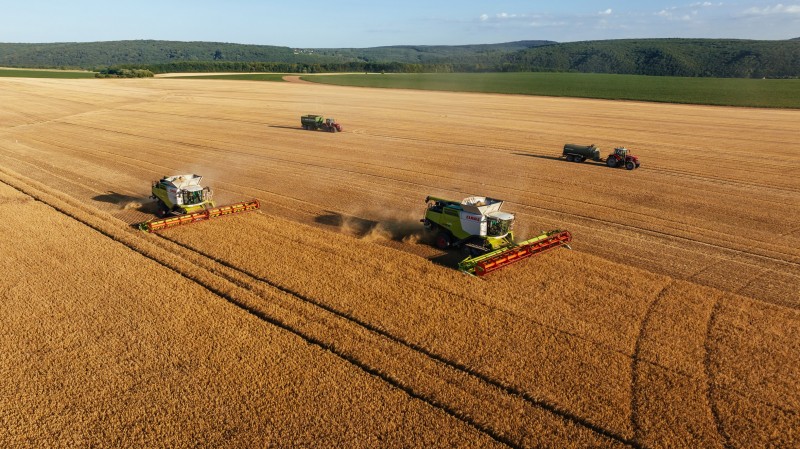
The Company is deploying 745 units of its own and leased equipment for the harvest. Specifically, this includes 95 combine harvesters, 66 of which are the Company’s own machines, including modern combines from Continental’s recent acquisitions. 650 trucks will transport the grain harvest. Loaders will also be in operation; the Company has specially retrofitted them with new technical systems for cargo weight control ahead of the harvest.
This season’s weather conditions have spurred early ripening of winter crops. According to weather forecasts, the first weeks of the harvest will be marked by dry and hot weather, creating conditions for a swift and uninterrupted harvest without the risk of rain-related delays.
“We’re heading out to the fields at the usual time—starting in the third decade of June. We’re starting with the winter barley harvest in our southern divisions and, with a few days’ interval, will gradually cover all of the Company’s clusters. Next, the combines will move on to winter rapeseed and wheat,” says Kostiantyn Shytiuk, Chief Operating Officer of Continental, commenting on the start of the harvest. “Despite the challenging agroclimatic conditions in the western part of the country this season—primarily a lack of rainfall—we are focused on conducting the harvest precisely, efficiently, and without losses. Continental’s fleet of machinery, which has been modernized in recent years, ensures we maintain the necessary pace and quality of harvesting operations.”
In response to the challenges posed by the global fuel crisis, Continental secured the necessary fuel reserves well in advance to ensure the harvest is completed in full. At the same time, the company notes that the June decline in fuel prices, coupled with continued positive trends, will create more favorable conditions for farmers to effectively manage operating costs and will support the economics of the harvest campaign until its completion.
Among the key features of this season is the new regulatory environment, to which Continental is already actively adapting its transportation logistics. The introduction of a series of changes requires significant adaptation on the part of farmers, as the new measures include requirements for drivers’ working hours—despite an ongoing shortage of drivers in the industry—restrictions on the movement of freight vehicles on local roads, and the phased implementation of electronic waybills, among other things.
Given the specific nature of agricultural production, these new regulatory changes—implemented on the eve of the peak harvest season without a sufficient transition period—could have a noticeable impact on the success of the harvest campaign. Under these conditions, the need to ensure the uninterrupted operation of the logistics chain will require new and effective operational solutions.